
Lead with Tension, Not Echoes
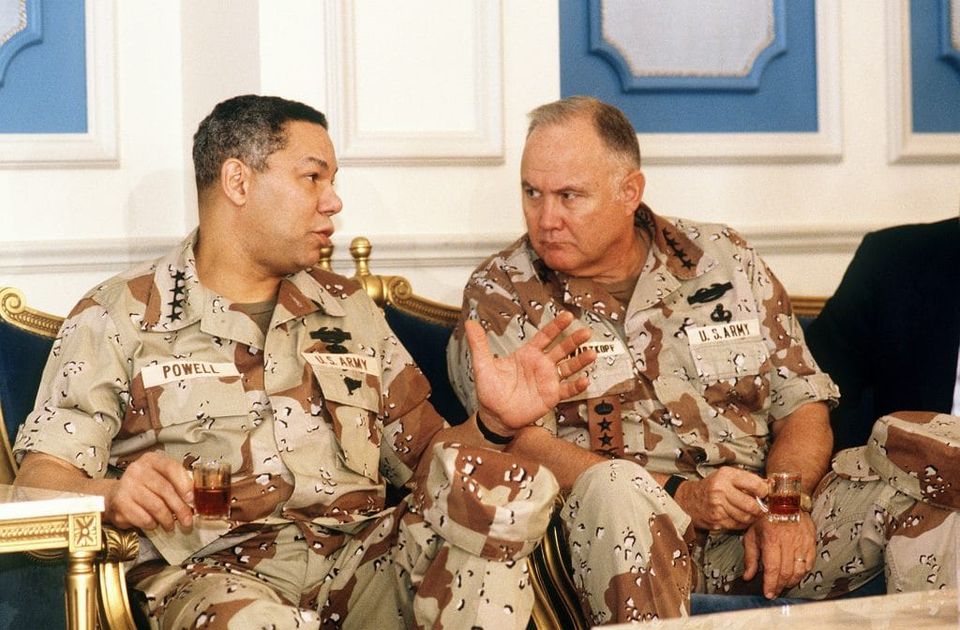
Why Opposite Leadership Styles Can Be Your Greatest Asset
One of the most important—and difficult—decisions a senior leader can make is choosing a deputy with a personality and leadership style very different from their own. At first glance, it may seem like a recipe for conflict. In reality, it may be the very thing that takes your organization to the next level.
Research in organizational behavior and military leadership confirms that cognitive diversity—the inclusion of people who think and approach problems differently—drives better decision-making. According to a 2017 Harvard Business Review study, teams that display cognitive diversity solve problems faster and more creatively than homogenous ones. But that speed comes after trust is built and friction is managed.
“If two people agree on everything, one of them is unnecessary.” —Winston Churchill
In military leadership, it’s common to see a commander and a senior enlisted advisor or deputy commander form what General Stanley McChrystal called a “team of teams”—where distributed decision-making thrives only when people are empowered to bring their whole, unique leadership approach to the fight.
Balancing contrasting styles—whether that’s introvert and extrovert, visionary and executor, or disciplinarian and coach—requires a disciplined commitment to listening, mutual respect, and compromise. The temptation to second-guess or override must be replaced with a more strategic mindset: “I selected this person for a reason. Let’s see how their approach works.” That humility creates space for breakthrough ideas and institutional learning.
“Strong leaders don’t recruit clones; they build complementary teams.” —adapted from Jim Collins, Good to Great
Yes, it’s harder. But when you get it right, the team is stronger. Morale improves. New perspectives emerge. Your people see there’s no one-size-fits-all answer, and that leadership is more than a style—it’s a shared mission executed from multiple angles.
In the end, leadership isn’t about being right all the time. It’s about building a team that can adapt, learn, and win—especially when the answers aren’t obvious.
So if your deputy sees the world differently than you do, that’s not a bug. That’s a feature. Lean into it. Listen. Try their way. You might be surprised at what happens.
Member discussion